A college where charcoal-dusted hands meet laser cutters, and first-year students pin life drawings next to third-years welding steel sculptures in the same open-plan crit hall.
Before you choose
a direction,
you explore all of them.
Foundation isn't a warm-up. It's the most important year of your creative education — a structured permission to be wrong, be confused, and be surprised by what you make. No prerequisites. No prior experience required. Just the willingness to show up and look carefully.
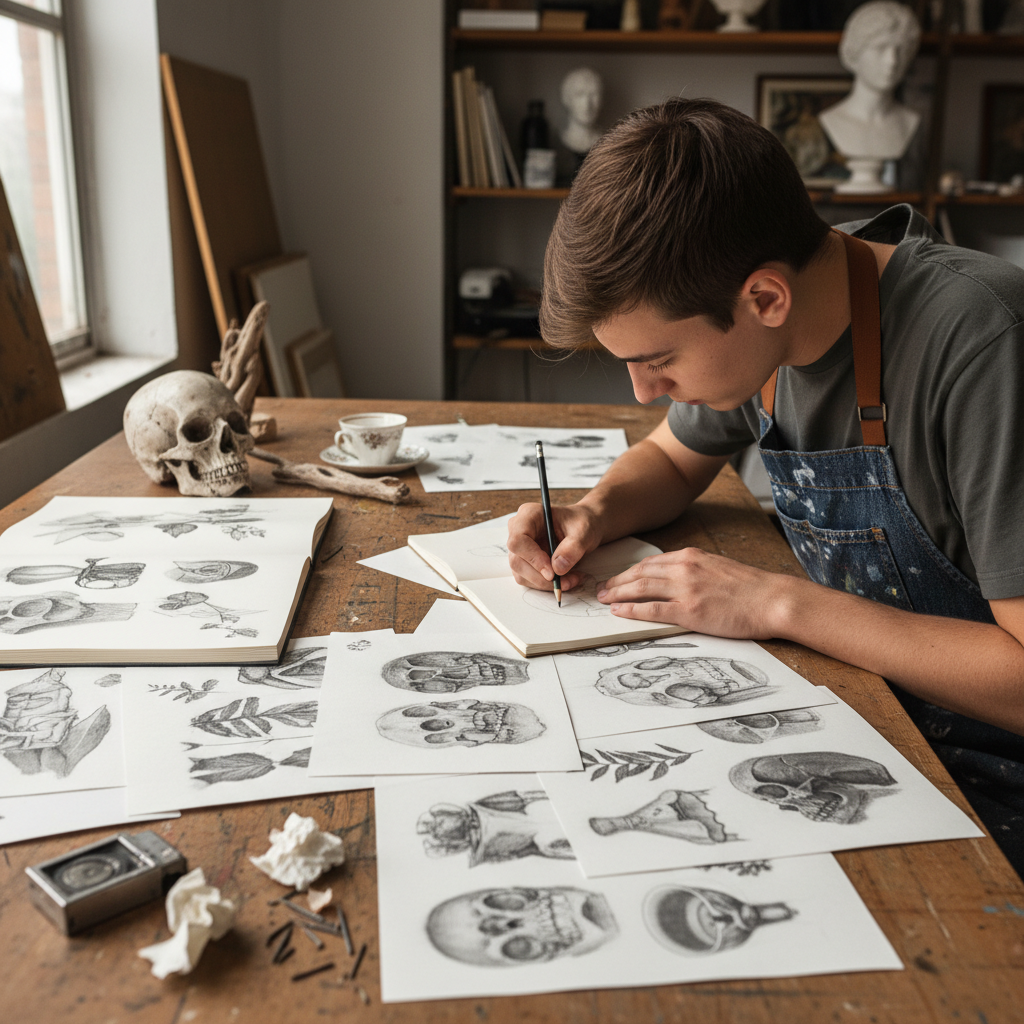
Diagnostic Drawing
A single 3-hour observational session. No marks for skill — only for looking. Tutors use this to understand how you see, not what you can already do.
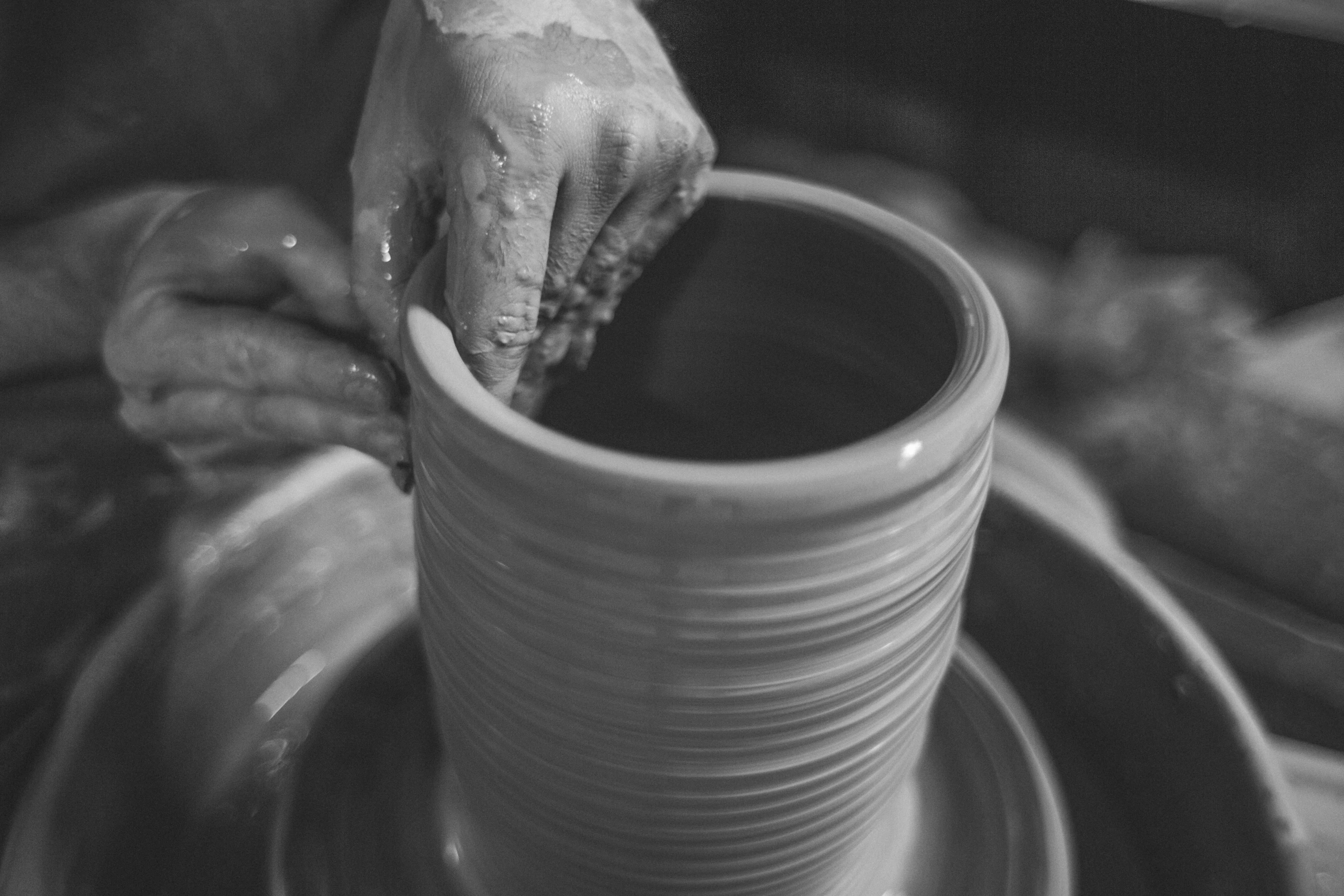
Material Exploration
Clay, ink, wire, fabric, code. You work with seven materials in six weeks. The goal isn't mastery — it's discovering where your instincts live.
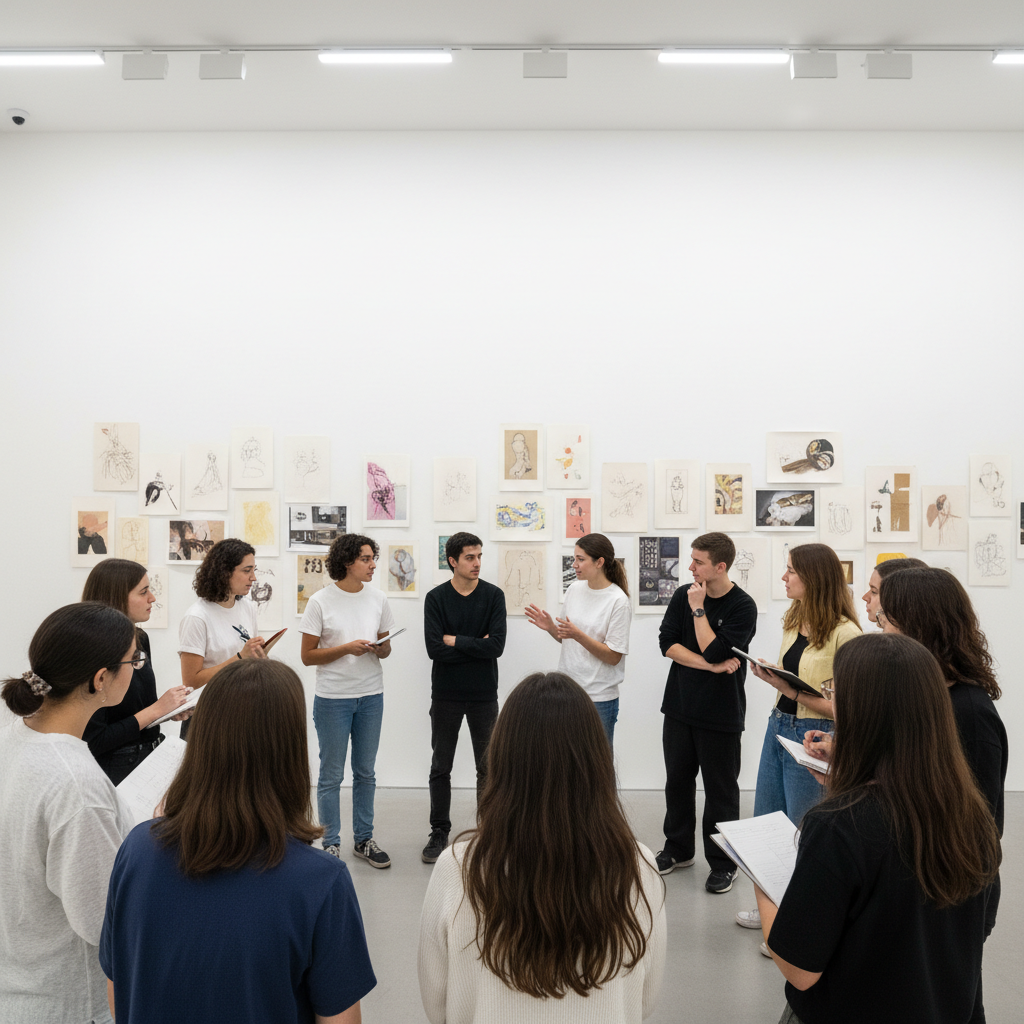
Crit & Reflection
Your first group critique. Work pinned floor-to-ceiling in the open hall. Tutors and peers respond to what they see, not what you intended.
"I came in thinking I was a painter. Foundation showed me I was a sculptor. That's the whole point."
Tamsin Kowalski
Foundation → Fine Art BA · Class of 2024
Choose your
discipline.
At the end of Foundation, you choose a pathway — informed by your diagnostic results, tutor conversations, and your own gut. Transfers between pathways are possible in the first six weeks.
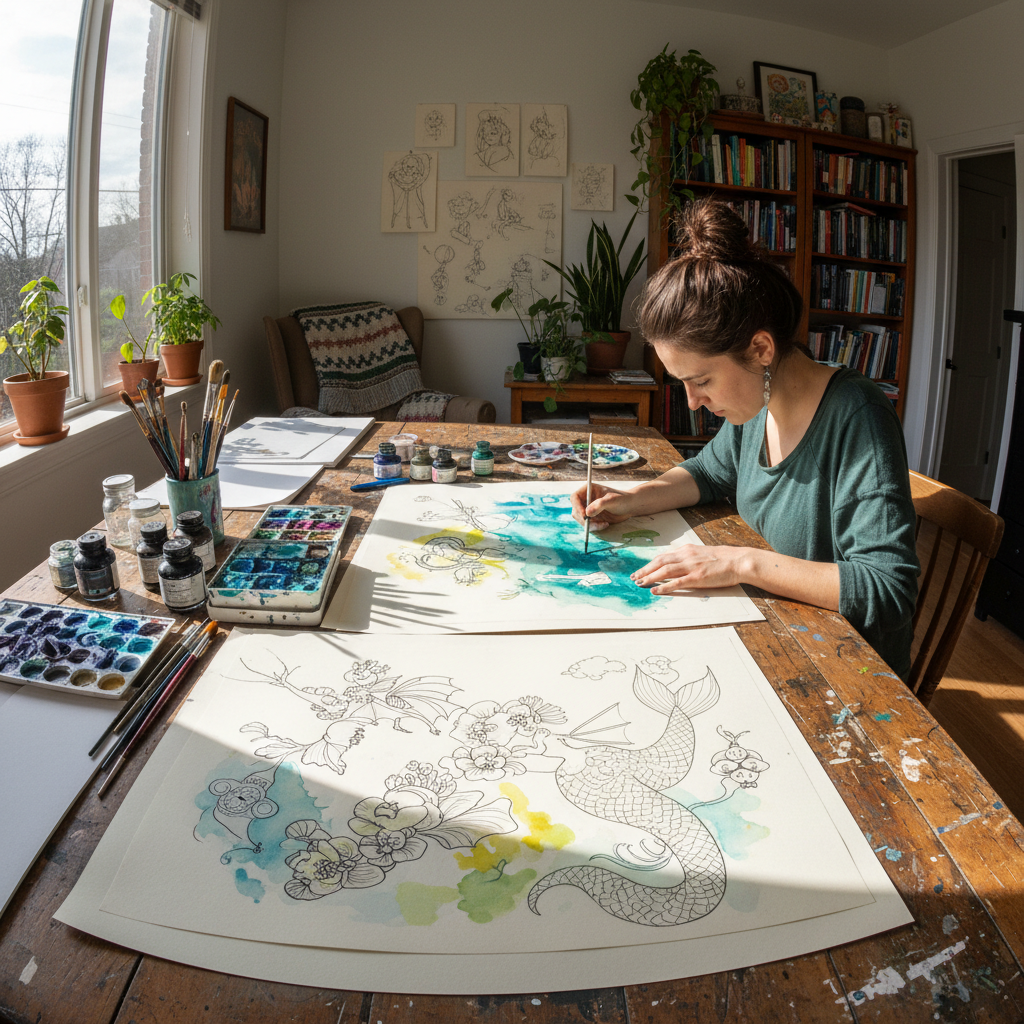
Editorial, narrative, and conceptual image-making. You'll work with commissioners from Penguin, the Guardian, and the V&A. Final year produces a published zine.
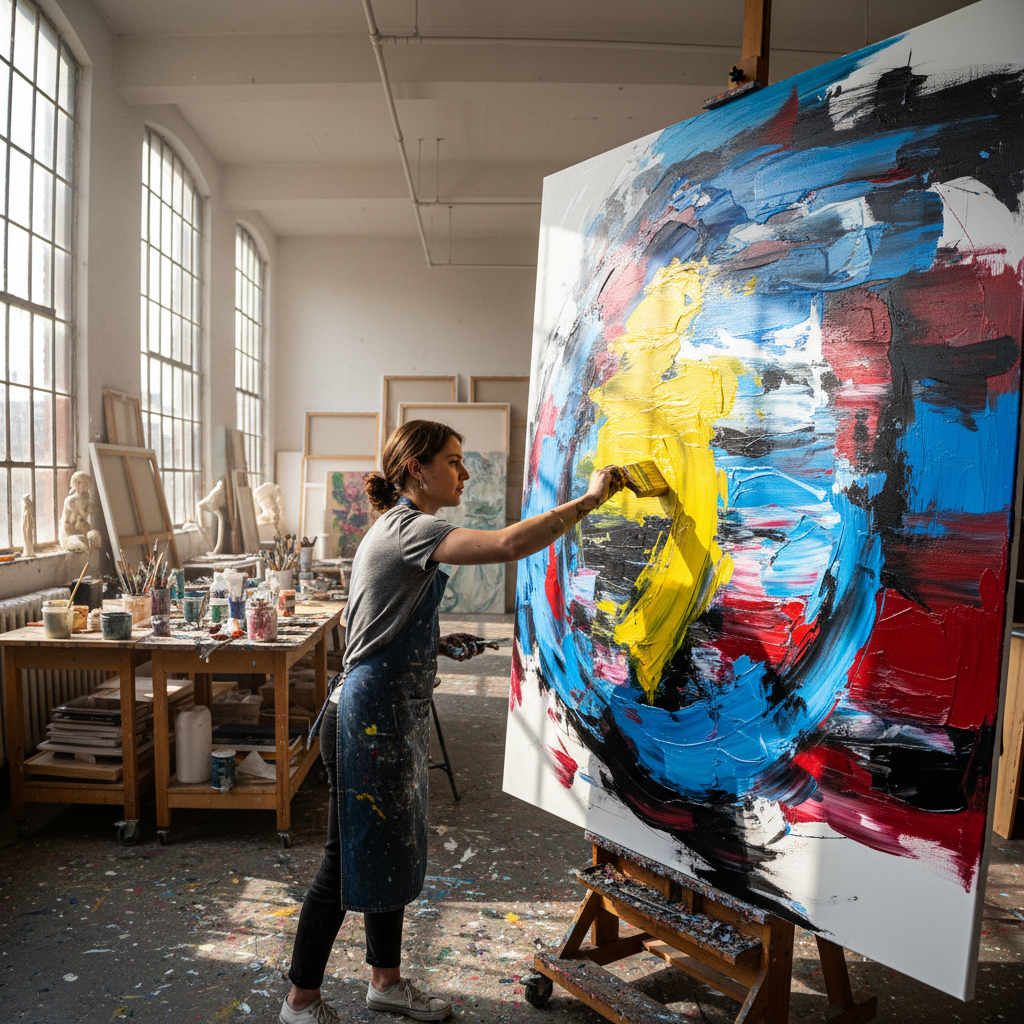
Painting, sculpture, installation, and performance. The open crit hall is your lab. Year 3 culminates in a solo show in our public gallery.
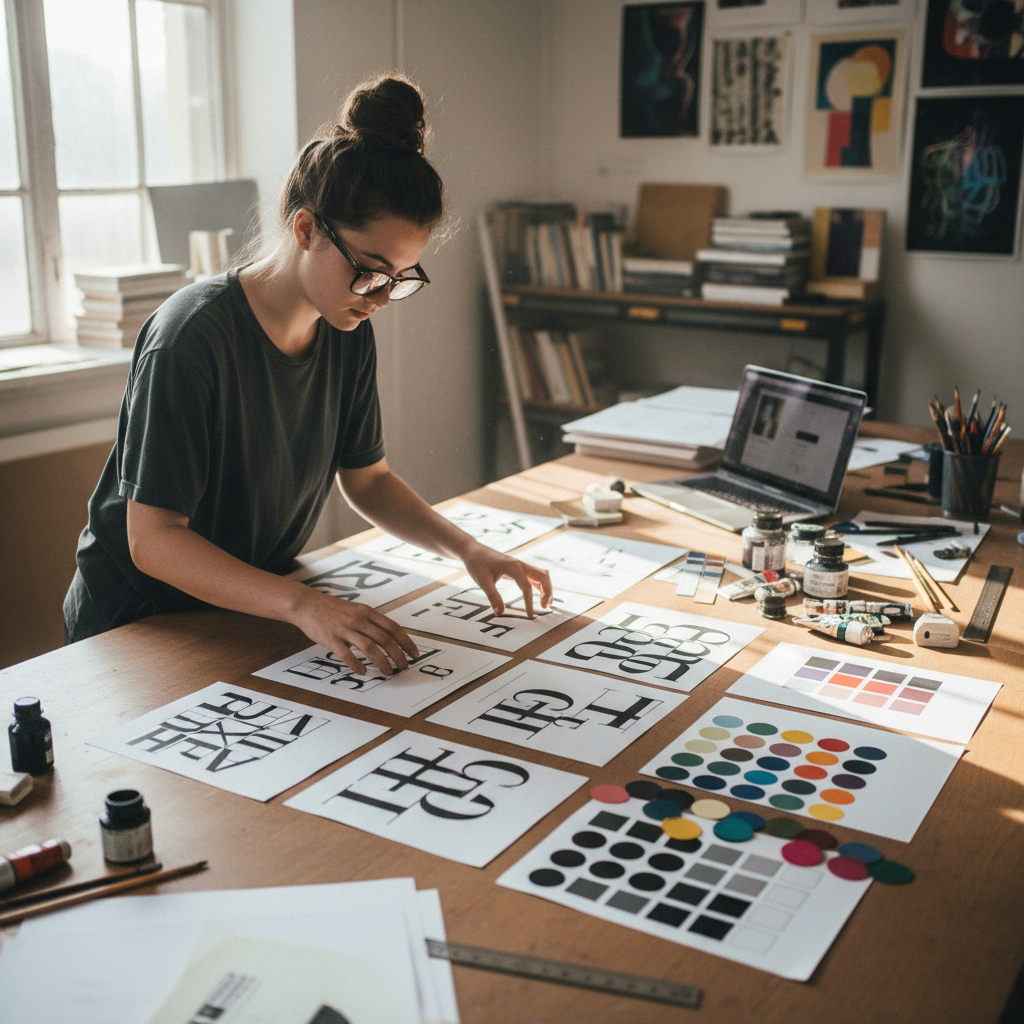
Typography, identity, and systems thinking. You'll rebrand a real charity in Year 2 and design a cultural publication in Year 3.
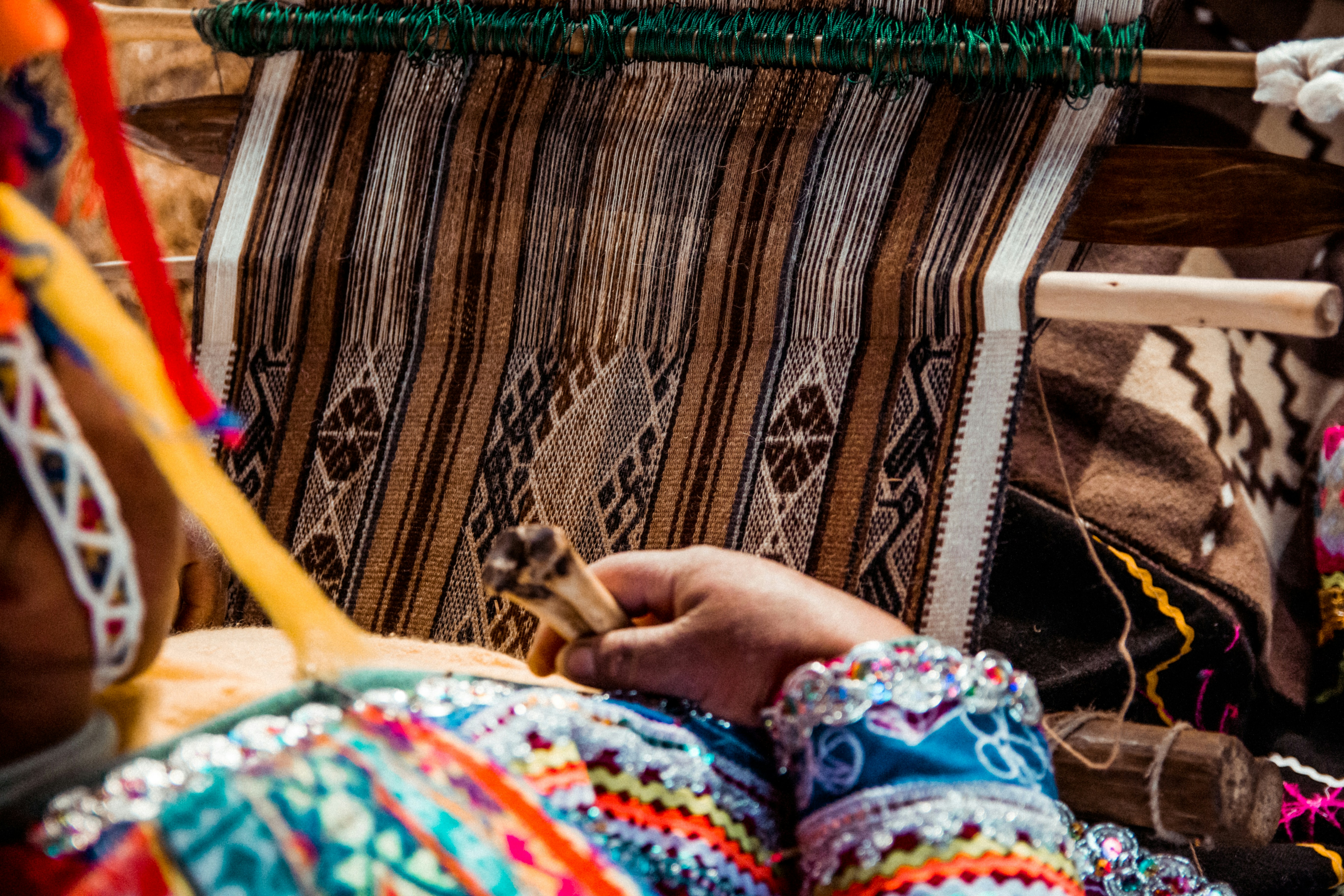
Surface, structure, and material intelligence. Weaving, screen printing, digital jacquard, and sustainable fabric design.
Not sure which pathway is right for you?
Book a portfolio review — we'll help you find your pathStudios built for
serious making.
Every studio is managed by a specialist technician. You're not left to figure it out — you're taught the machine, then given the keys.
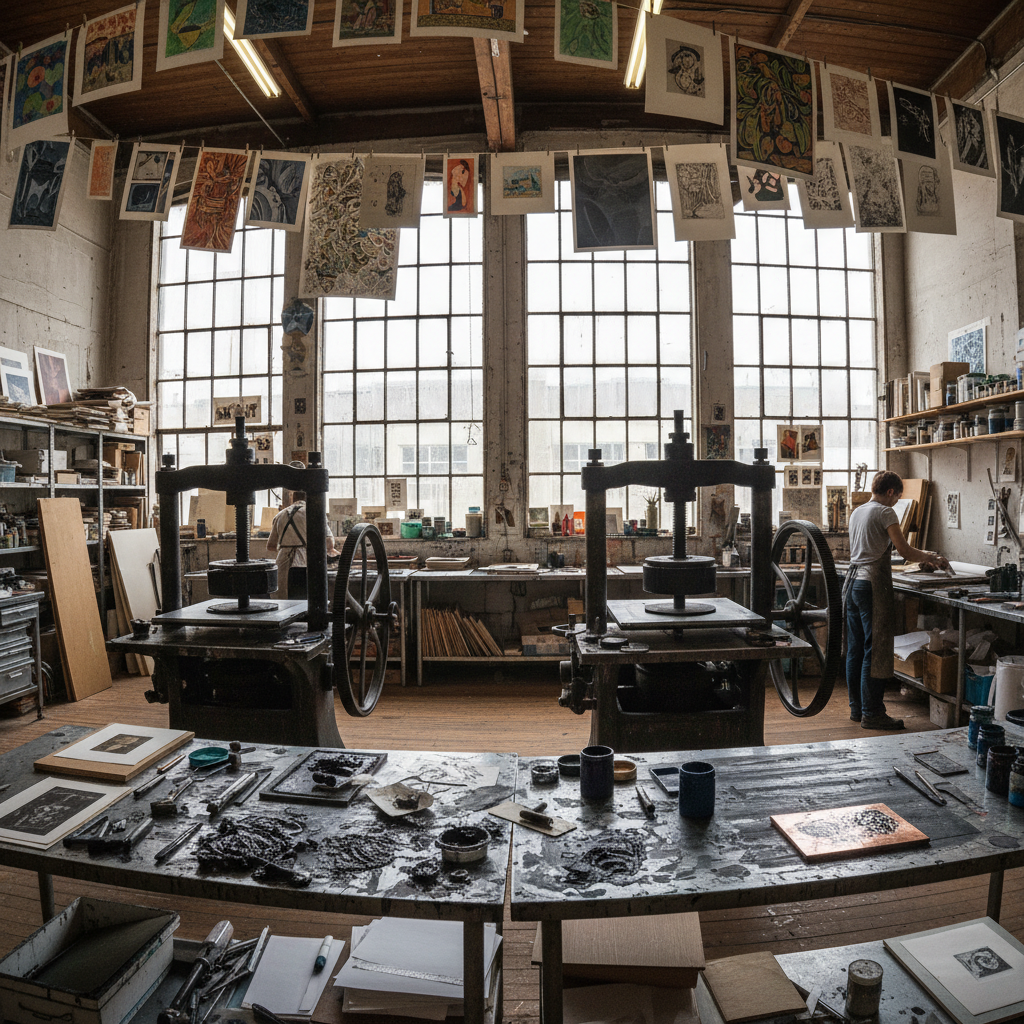
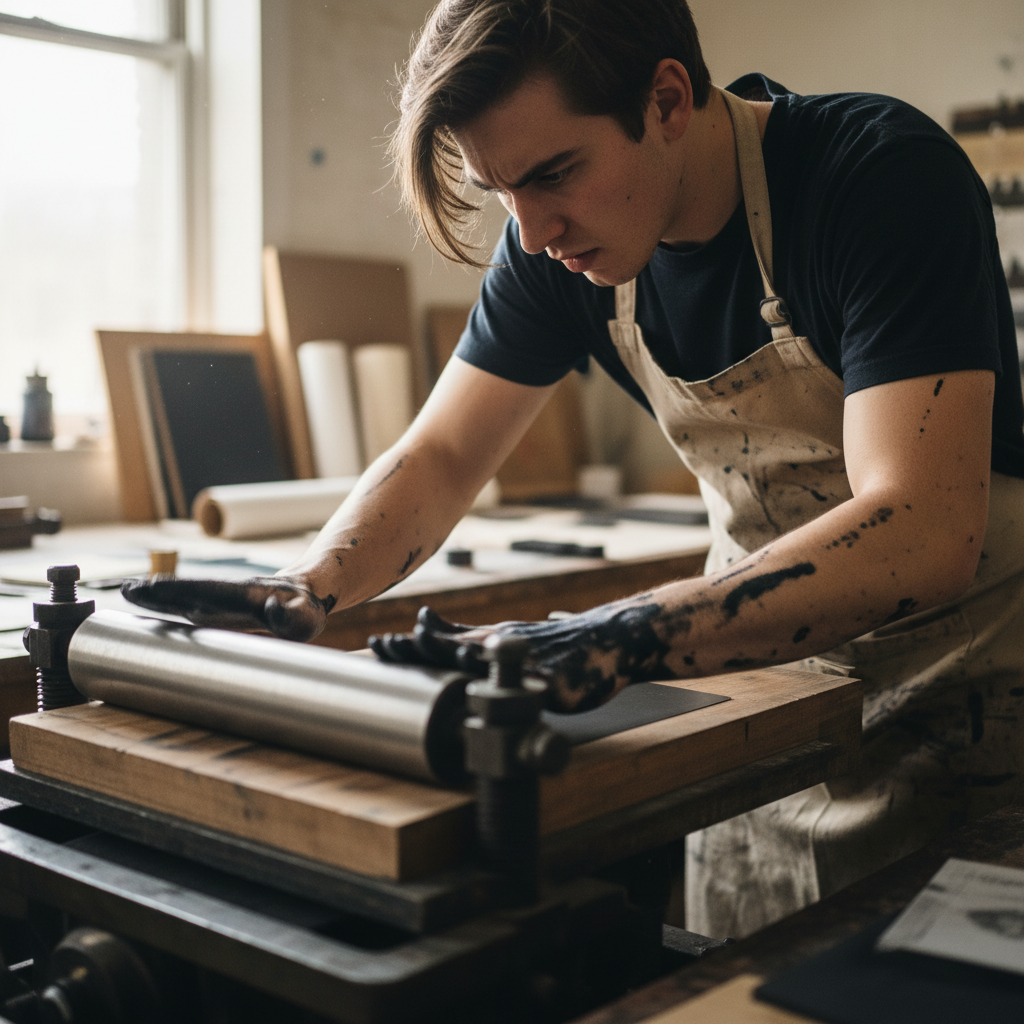
Printmaking & Press
Three etching presses, a letterpress collection spanning 1890–1960, screen-printing facilities, and a risograph. Open 7am–10pm, 364 days a year.
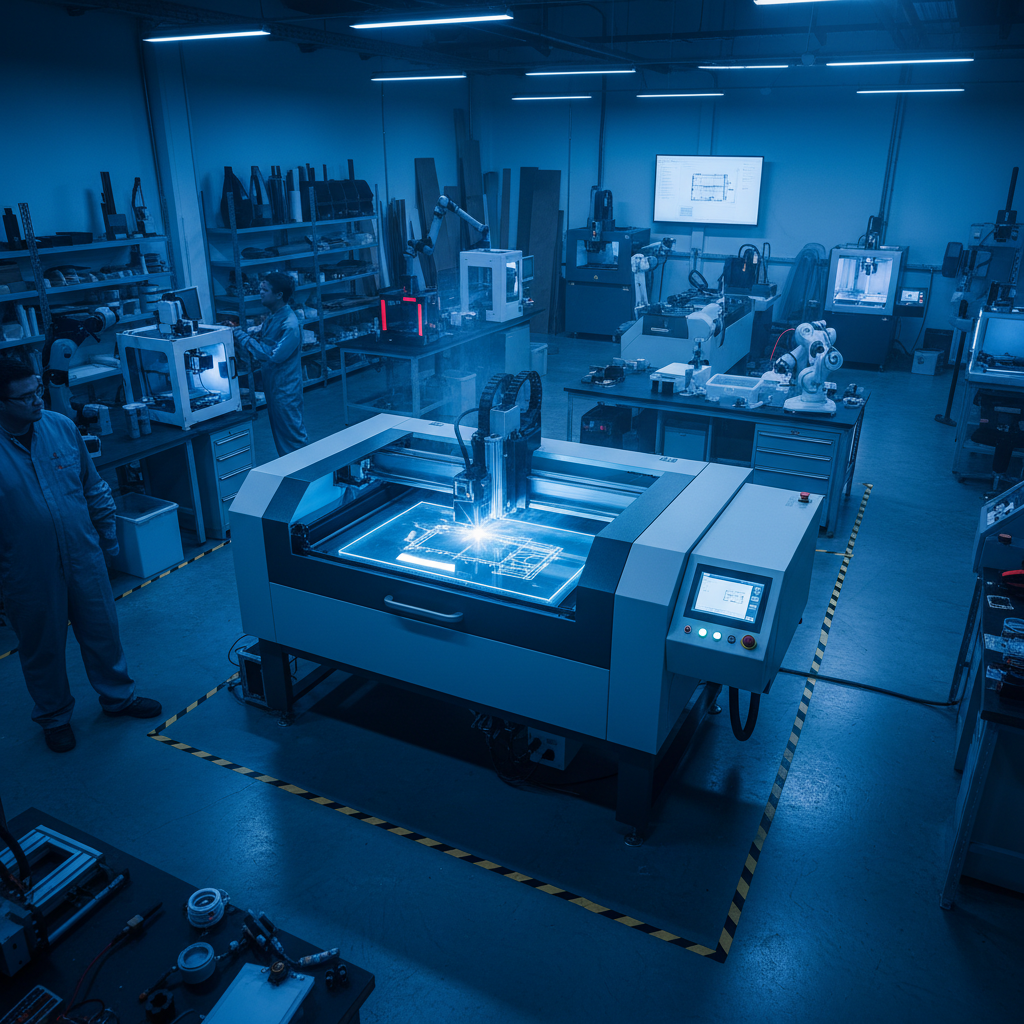
Digital Fabrication
Laser cutters, CNC routers, and a bank of 3D printers sit beside hand-tool benches. We believe digital and analogue aren't opposites — they're collaborators.
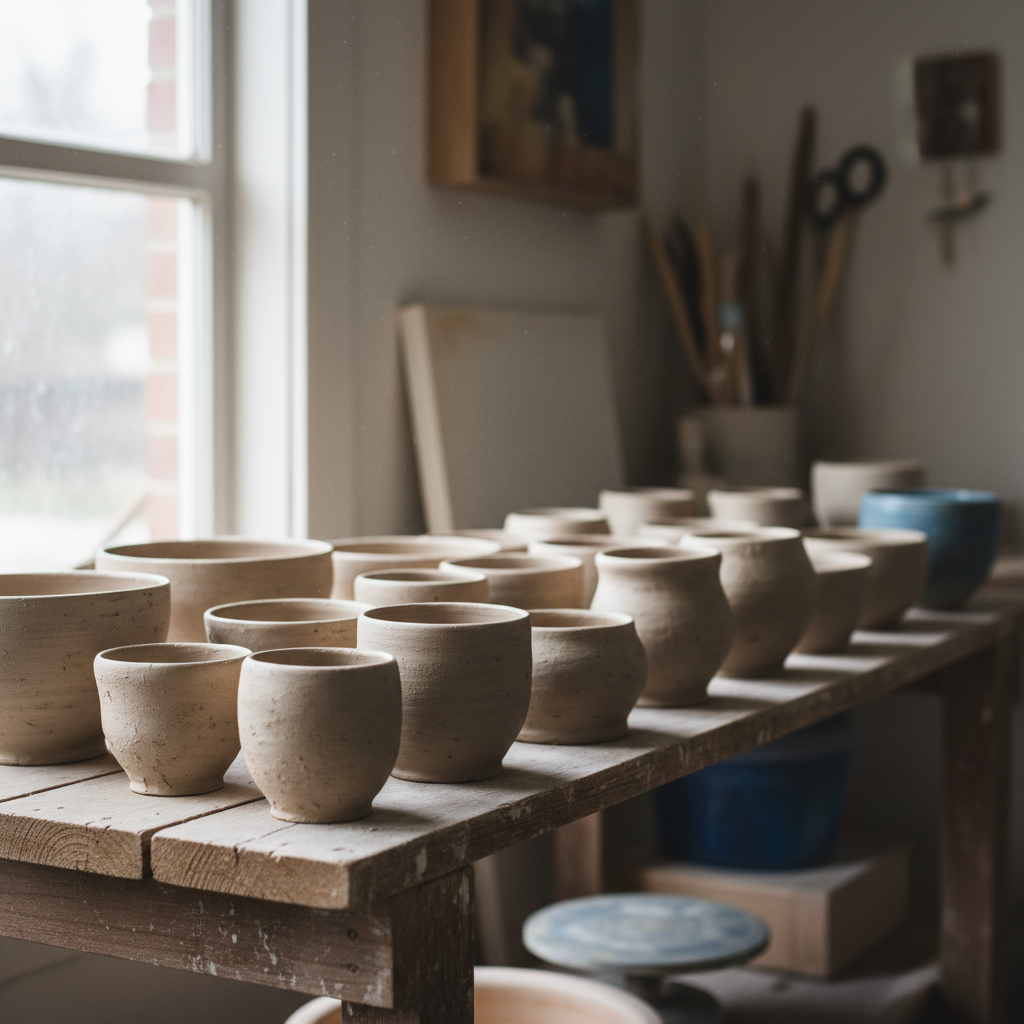
Ceramics & Kiln Hall
Eight throwing wheels, a slab roller, and two kilns — one gas, one electric. The kiln hall opens for communal firings every Thursday evening.
Where Atelier
graduates go.
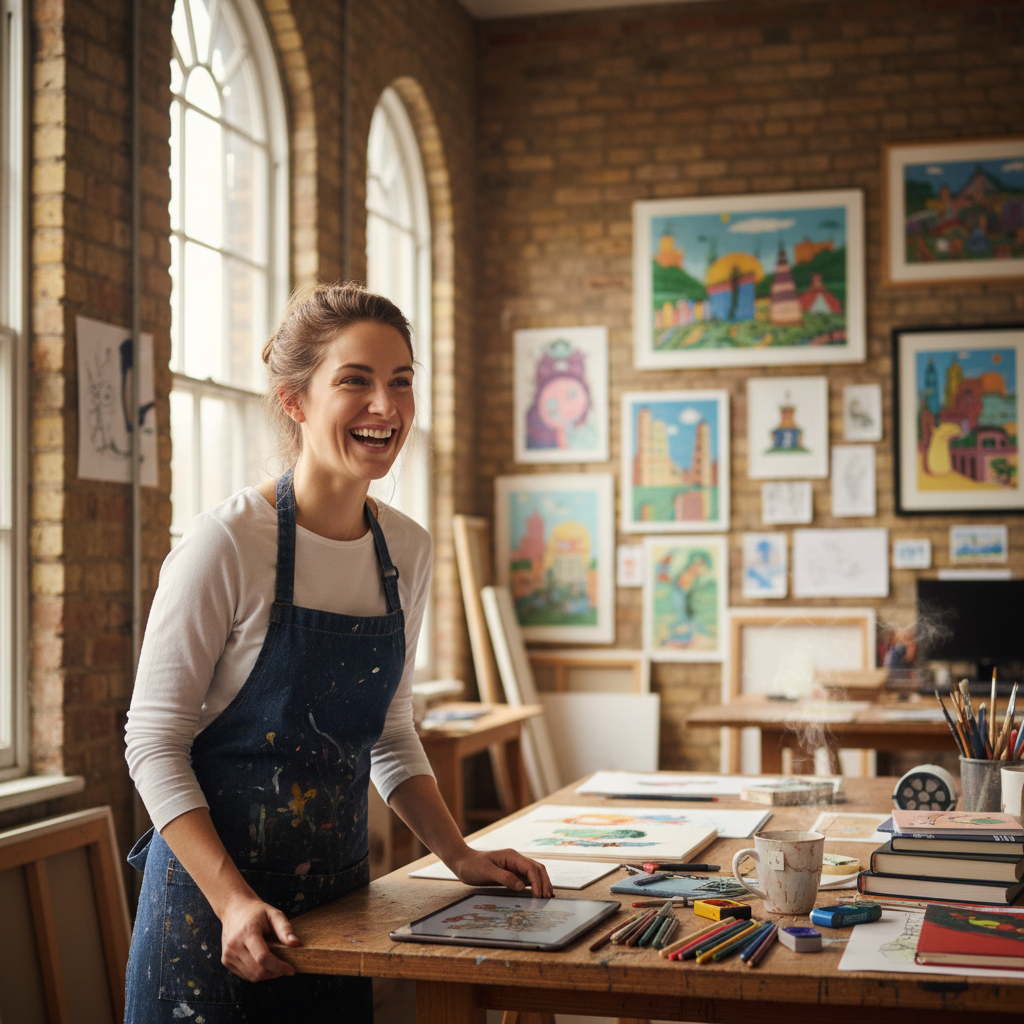
Priya Mehta
IllustrationIllustration · Class of 2022
Senior Illustrator, Penguin Random House
"Atelier taught me that having a point of view is more valuable than technical perfection. That's what got me the job."
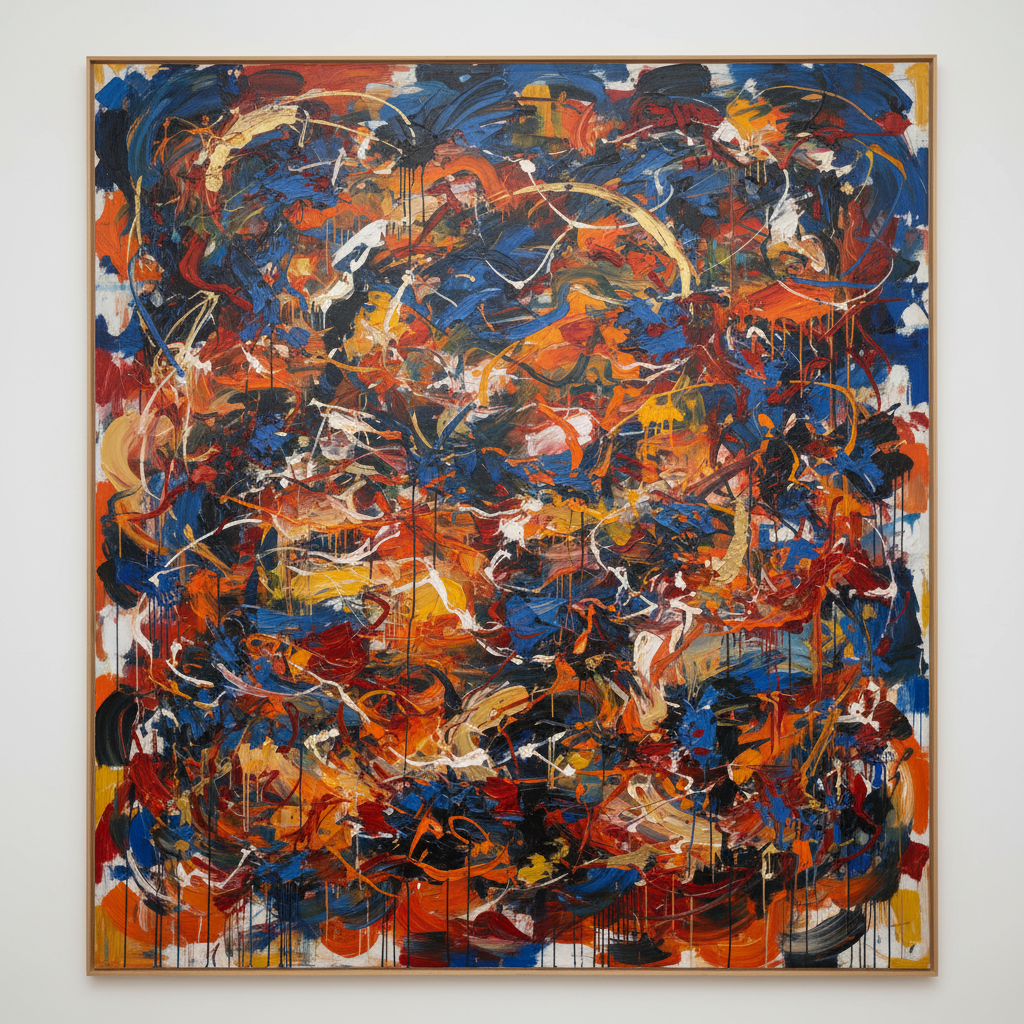
Marcus Thompson
Fine ArtFine Art · Class of 2021
Represented by Fold Gallery, London
"My degree show sold out in the first hour. Three years of crits, failures, and rebuilding made that possible."
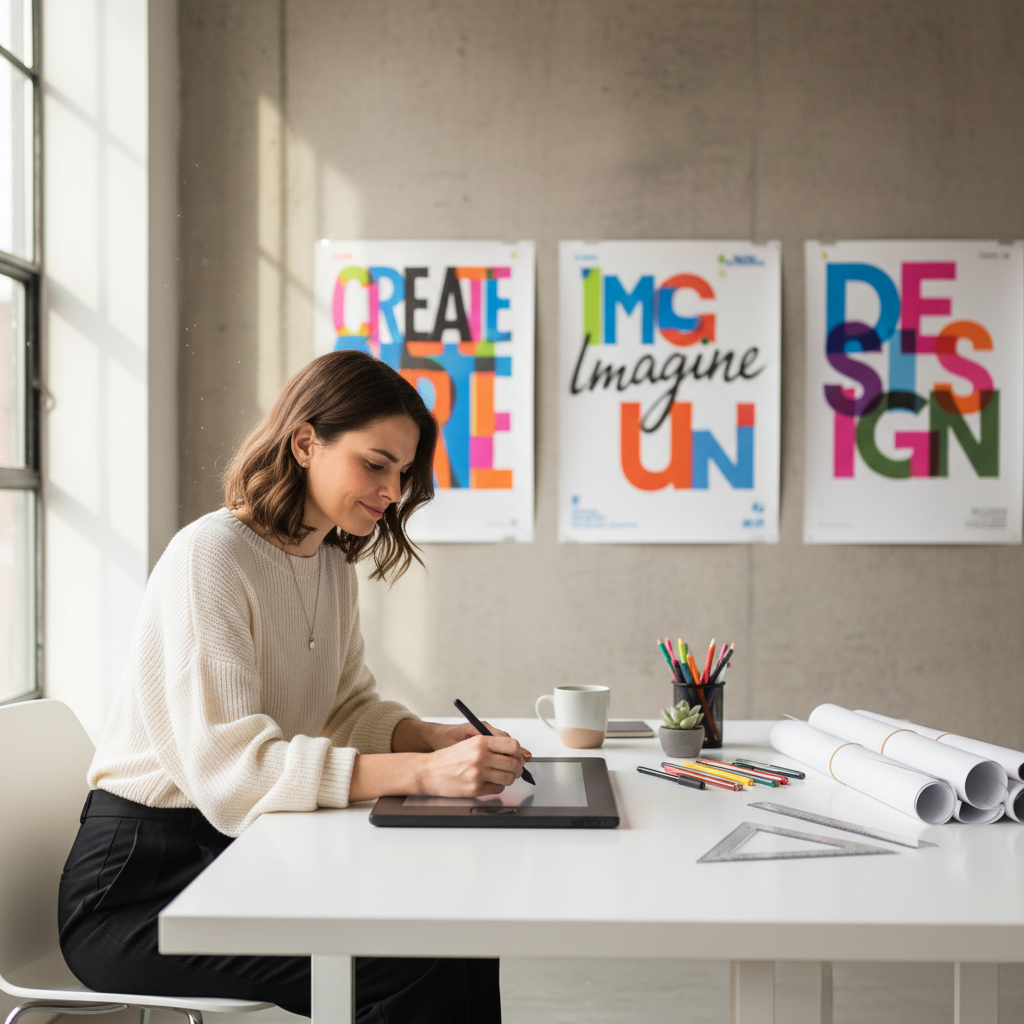
Aisha Okonkwo
Graphic DesignGraphic Design · Class of 2023
Designer, Pentagram New York
"The typography modules at Atelier are genuinely world-class. I arrived at Pentagram already knowing things my colleagues had to learn on the job."
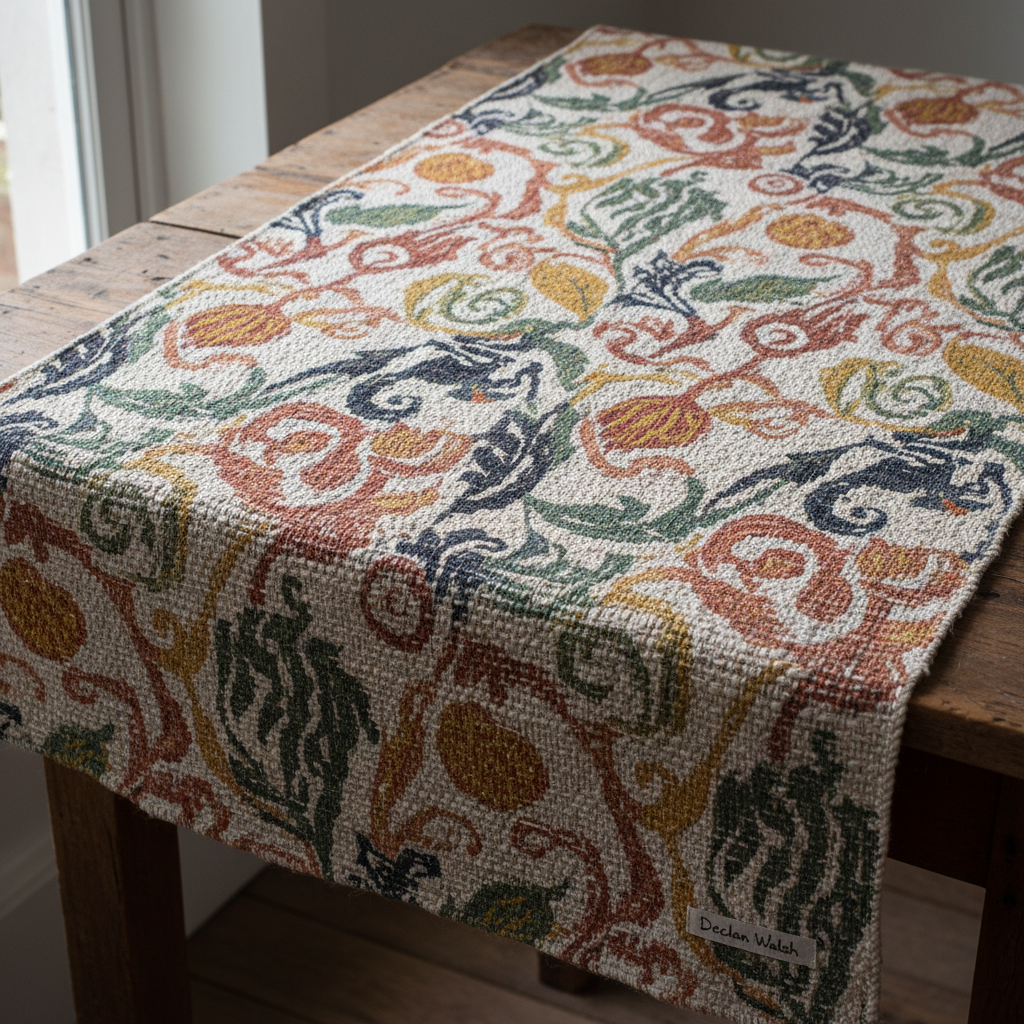
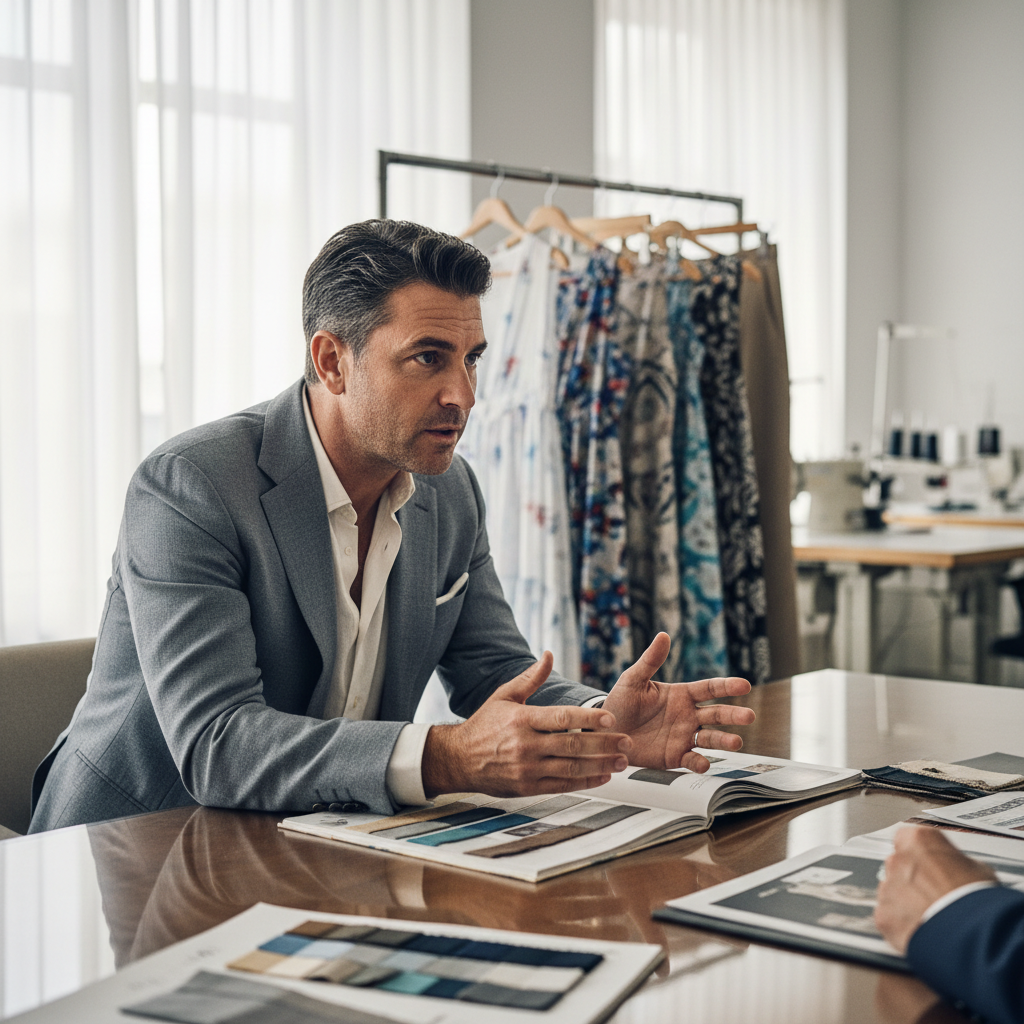
Declan Walsh
TextilesTextiles · Class of 2022
Founder, Mire Studio — sustainable textile brand
"I left a career in finance at 34 to study textiles. Best decision I ever made. Atelier never made me feel like I was starting over — just starting."
Your first mark
starts here.
A portfolio review isn't a test. It's a conversation about where you are, where you want to go, and how Atelier can help you get there.
Portfolio reviews open for March 2026